
What Is Connectivism and How Does It Transform Language Teaching in the Digital Age?
Connectivism is a learning theory for the digital age proposing that knowledge resides in networks…

Apply learning theories to ESL: behaviorism, cognitivism, constructivism, Vygotsky’s ZPD, social constructivism, and connectivism for digital age language teaching.
Connectivism is a learning theory for the digital age proposing that knowledge resides in networks…

Social constructivism is a learning theory developed by Soviet psychologist Lev Vygotsky which holds that…
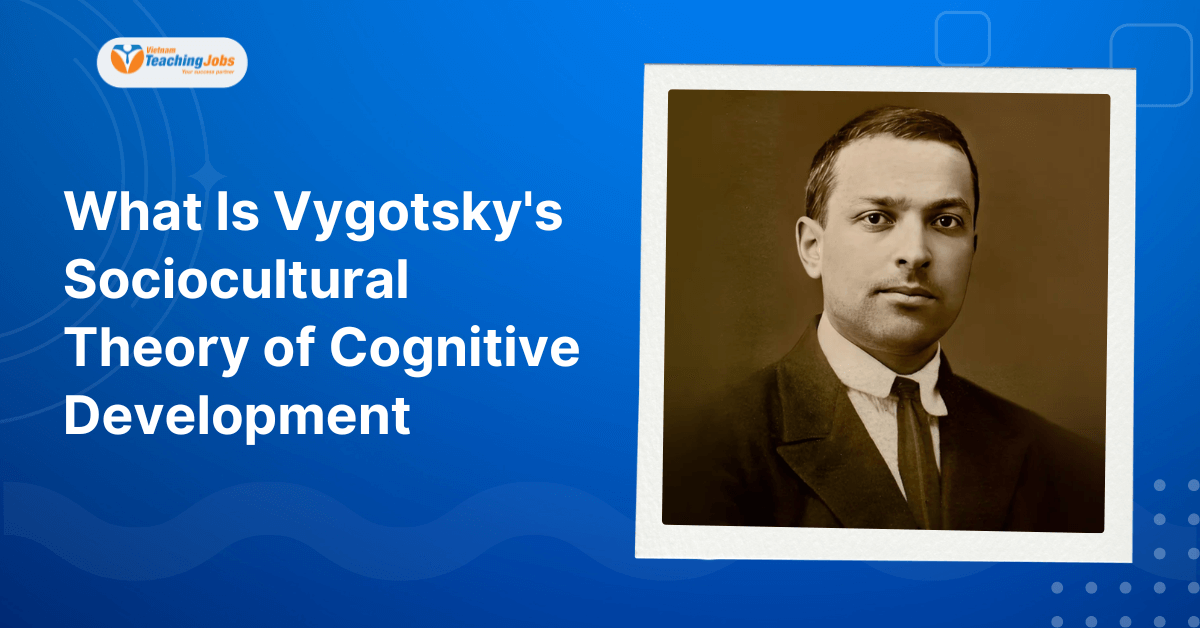
Vygotsky’s Sociocultural Theory defines cognitive development as an inherently social process, not an isolated internal…

Constructivism in ESL represents an educational approach where language learners actively build their own understanding…

Cognitive approaches to language learning treat language acquisition as an active mental process — not…

Behaviorism in language teaching treats language acquisition as habit formation through conditioning — learners develop…

Fostering a growth mindset in the classroom is a transformative journey that empowers students to…

In today’s rapidly changing world, the ability to learn independently has become increasingly important. Independent…

Education is not a one-size-fits-all endeavor; it’s a dynamic journey that requires tailored strategies to…

The learning pyramid model is a fundamental concept in the realm of education and cognitive…